
Story Behind Temples at Kerala
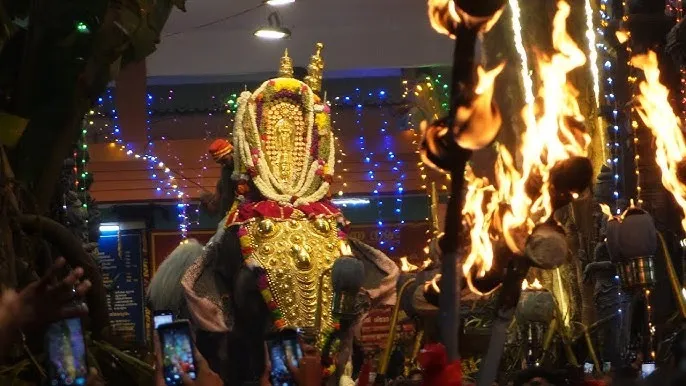
Kerala, often called God’s Own Country, is a land where spirituality, art, and nature coexist in harmony. The temples of Kerala are not merely places of worship—they are living symbols of the region’s cultural identity, architectural brilliance, and ancient traditions. From the sacred shrines dedicated to Lord Vishnu and Shiva to those venerating local deities and serpent gods, Kerala’s temples reflect the deep spiritual roots of its people.
Origin and Historical Background
The origins of Kerala’s temples are deeply entwined with the early Dravidian culture and the evolution of Hinduism in South India. Archaeological and literary sources suggest that many temples in Kerala date back to the early Chera period (circa 800 BCE – 1100 CE).
Initially, temple worship in Kerala began as nature worship, with shrines dedicated to deities representing natural forces such as rivers, trees, and serpents. Over time, Vedic rituals and Brahmanical influences shaped these early shrines into structured temples.
The Agnichayana ritual (fire sacrifice) performed in ancient Kerala, described in Vedic texts, indicates that organized forms of worship and temple construction were already established by that time. The influence of Sankaranarayana cults (a fusion of Shiva and Vishnu worship) and local deities further enriched the temple traditions.
Architectural Style
Kerala’s temple architecture evolved uniquely due to its geographical and climatic conditions—heavy rainfall, high humidity, and lush landscapes. The temples are generally made of locally available materials like laterite stone, wood, and granite, with sloping tiled roofs designed to withstand monsoon rains.
The architectural style, known as the Vastuvidya of Kerala, follows traditional principles found in ancient treatises such as Tantrasamuchaya, Manushyalaya Chandrika, and Silparatna.
Key features include:
-
Sreekovil (Sanctum Sanctorum) – The innermost chamber housing the deity.
-
Namaskara Mandapam – The square pavilion for rituals.
-
Chuttambalam – The enclosed walkway surrounding the sanctum.
-
Koothambalam – The temple theatre for ritualistic art forms like Koothu and Koodiyattam.
-
Gopuram – The entrance tower, typically smaller than those in Tamil Nadu.
Notable Temples in Kerala
-
Sree Padmanabhaswamy Temple (Thiruvananthapuram) – One of the richest temples in the world, dedicated to Lord Vishnu reclining on Anantha, the serpent. Its origin is mentioned in ancient Sangam literature.
-
Guruvayur Temple (Thrissur) – Known as Bhuloka Vaikuntha (Heaven on Earth), it is believed to have been established by Guru (Brihaspati) and Vayu (the Wind God).
-
Sabarimala Temple (Pathanamthitta) – Dedicated to Lord Ayyappa, this temple symbolizes unity and devotion, welcoming pilgrims irrespective of caste or creed.
-
Vadakkumnathan Temple (Thrissur) – One of the oldest Shiva temples, it represents classic Kerala architecture and is associated with Adi Shankaracharya.
-
Ettumanoor Mahadeva Temple (Kottayam) – Renowned for its exquisite mural paintings and wooden carvings.
-
Chottanikkara Bhagavathy Temple (Ernakulam) – Dedicated to Goddess Rajarajeshwari, it is famous for its spiritual healing rituals.
Cultural Significance
Kerala temples are not just centers of devotion—they are hubs of art, music, and social life. Temple festivals (Utsavams), featuring caparisoned elephants, chenda melam (percussion ensembles), and fireworks, are iconic cultural celebrations.
Vision
List maximum Temples in Kerala for its fame and identify the divine spirit exists there in one platform.